Etching Surface Treatments
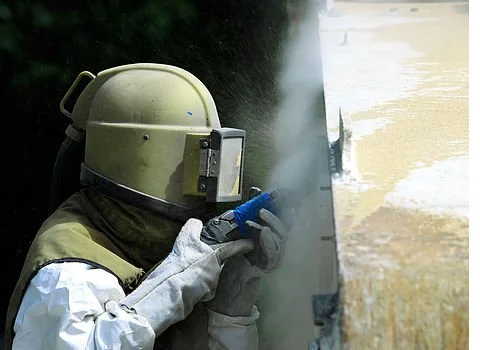
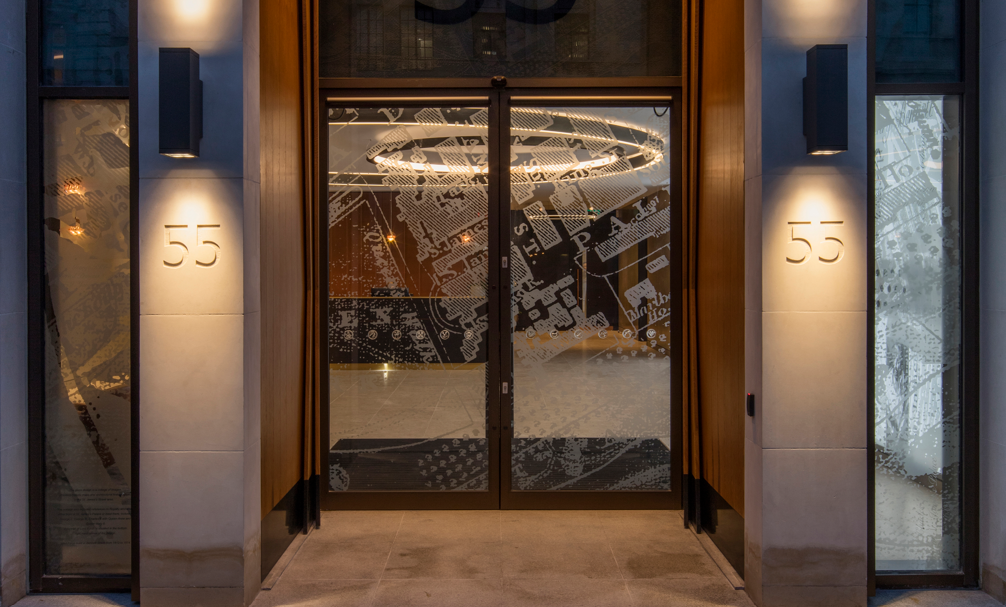
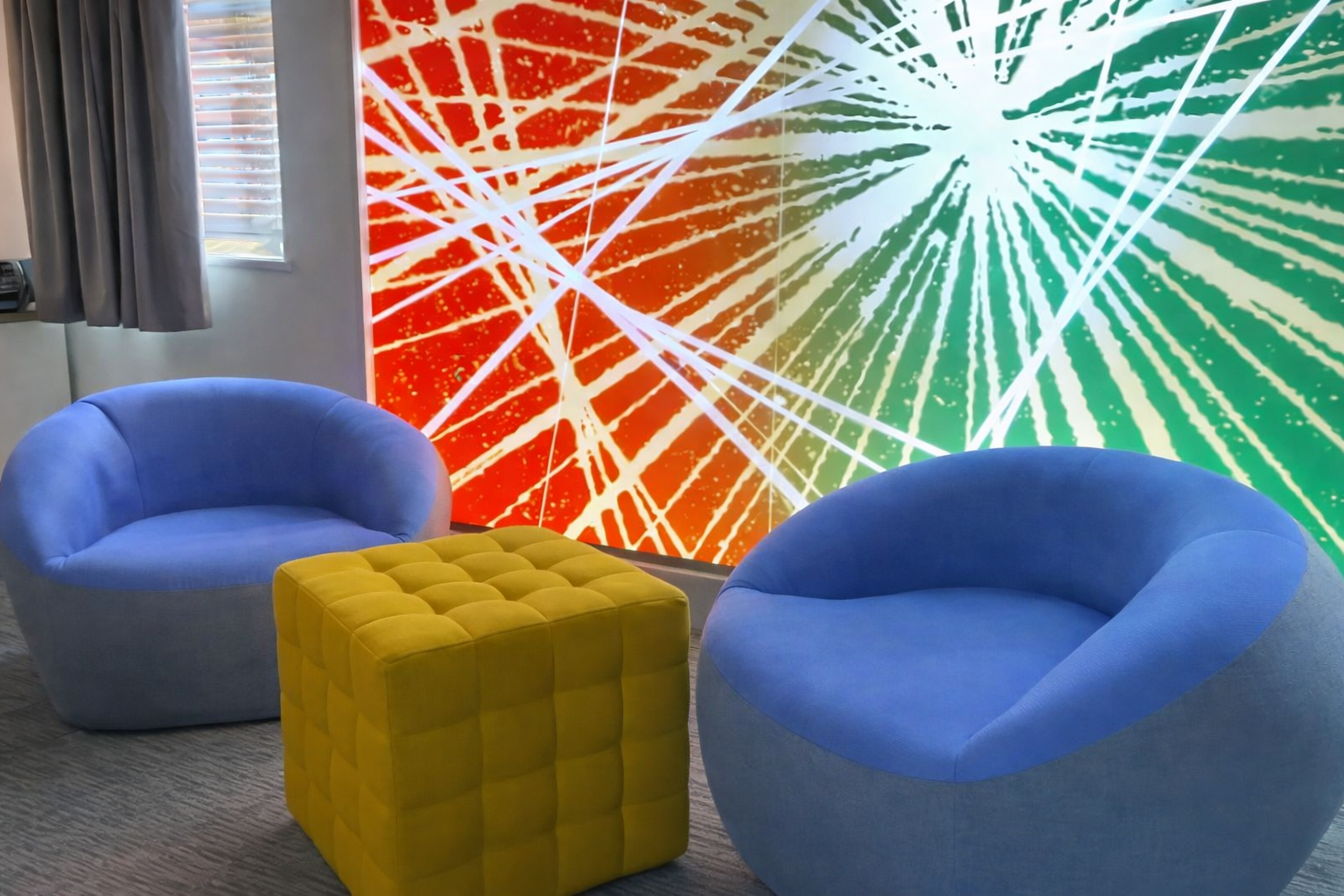
At Proto Glass Studios, we have many techniques to transform glass through surface treatments. Etching allows us to alter the character of glass by creating contrast, texture, opacity and visual depth while preserving the material’s natural qualities.
Acid Etching
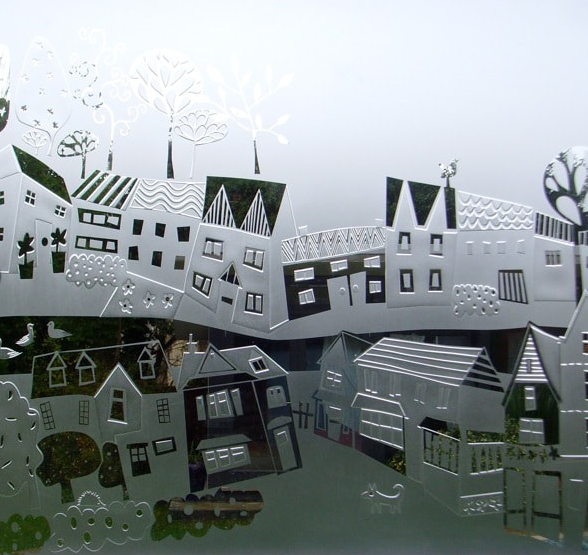
Acid etching is one of the most traditional methods of altering the surface of glass. Using a controlled chemical process, the surface of the glass is gently dissolved to create a smooth, satin-like finish and can often be utilised to create a more organic pattern.
Unlike mechanical methods, acid etching produces a soft, even appearance that allows light to diffuse through the glass while reducing transparency.
Characteristics of Acid Etching:
Smooth, velvety surface texture
Soft diffusion of light
Elegant, understated appearance
Suitable for large areas and detailed designs
Permanent and highly durable finish
Acid etching is often chosen for architectural applications, privacy glazing, decorative panels and contemporary glass artworks where a sophisticated, minimal finish is required.


Sandblasting
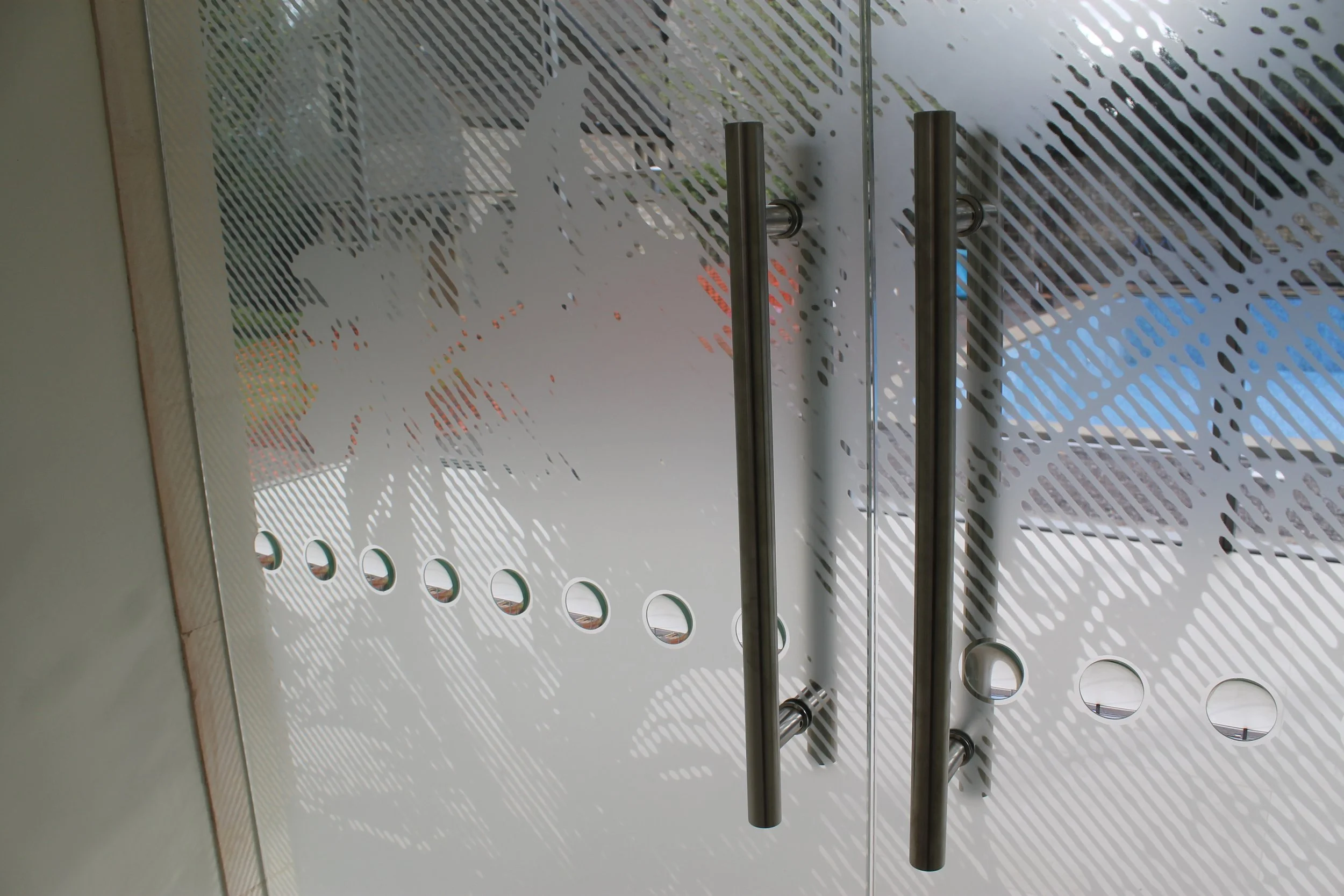
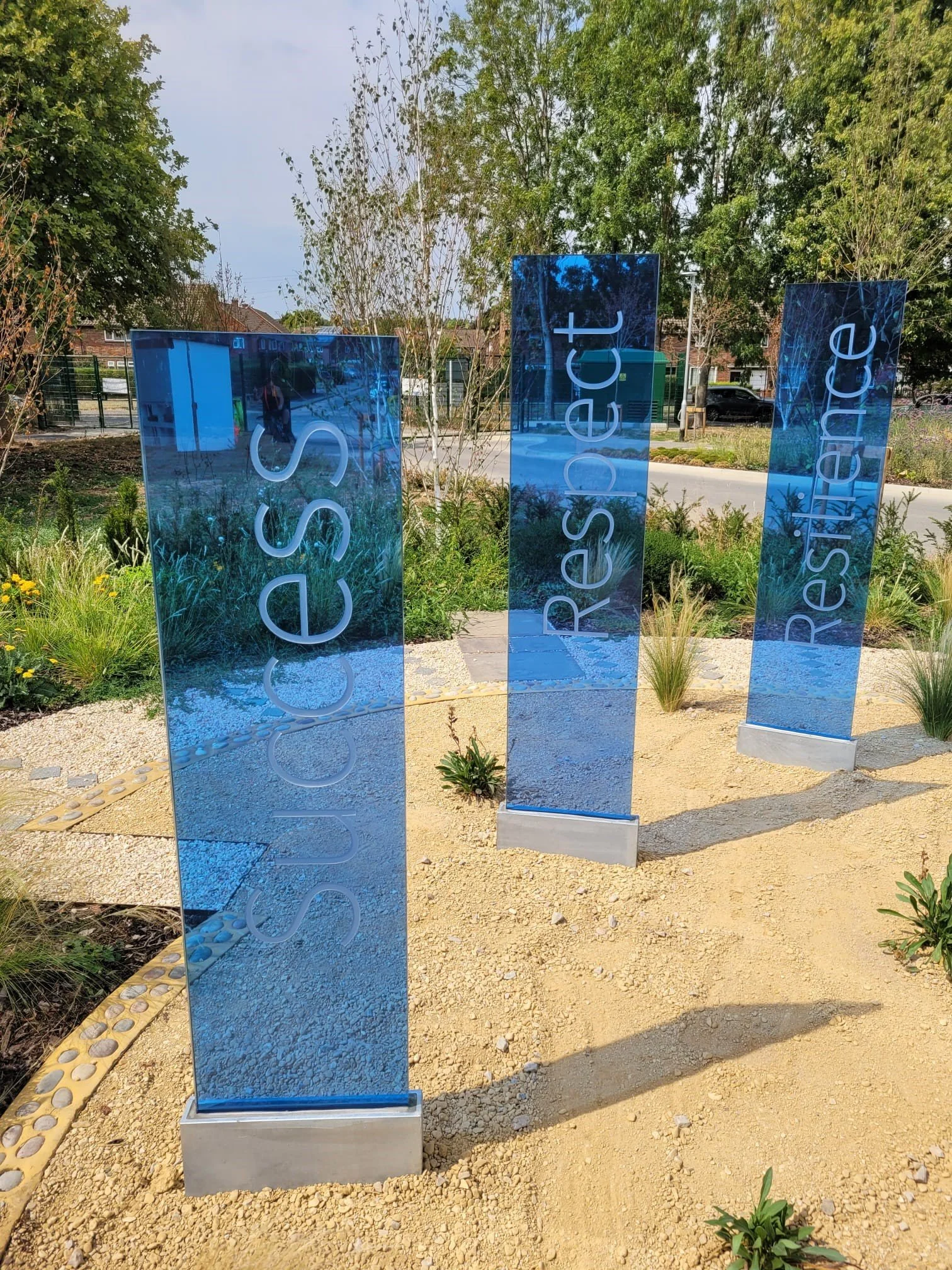
Sandblasting is a mechanical etching technique where fine abrasive particles are propelled at high speed across the surface of the glass. By controlling pressure, exposure time and masking techniques, we can create everything from delicate shading to deep carved textures.
At Proto Glass Studios, sandblasting allows us to work with both traditional craftsmanship and digitally produced designs, enabling precise patterns, imagery and tonal effects.
Characteristics of Sandblasting:
Wide range of textures from light frosting to deep carving
Excellent control over patterns and imagery
Ability to create layered effects
Suitable for bespoke architectural and artistic applications
Works well with stencils and digitally prepared artwork
Sandblasted glass is ideal for feature walls, doors, partitions, signage, sculptures and installations where texture and visual impact are important.

Screenprinting Enamel
Screenprinting enamel combines traditional printmaking techniques with glass technology. Ceramic enamel inks are applied through a mesh screen onto the glass surface before being permanently fused through a kiln firing process.
This technique allows us to apply detailed imagery, patterns, colour and repeated designs directly onto glass.
Characteristics of Screenprinted Enamel:
Permanent ceramic finish
High-resolution imagery and pattern reproduction
Wide range of colours and finishes
Suitable for decorative and architectural glass
Excellent durability for long-term installations
Screenprinted enamel is widely used for architectural glazing, public art, interior features and bespoke design projects where colour, branding or complex imagery is required. The added advantage of screen printed etch is the ability to keep it clean as it is fused directly to the glass and does not provide a platform on which dust could collect.